




MEMBERS & PROFESSIONALS

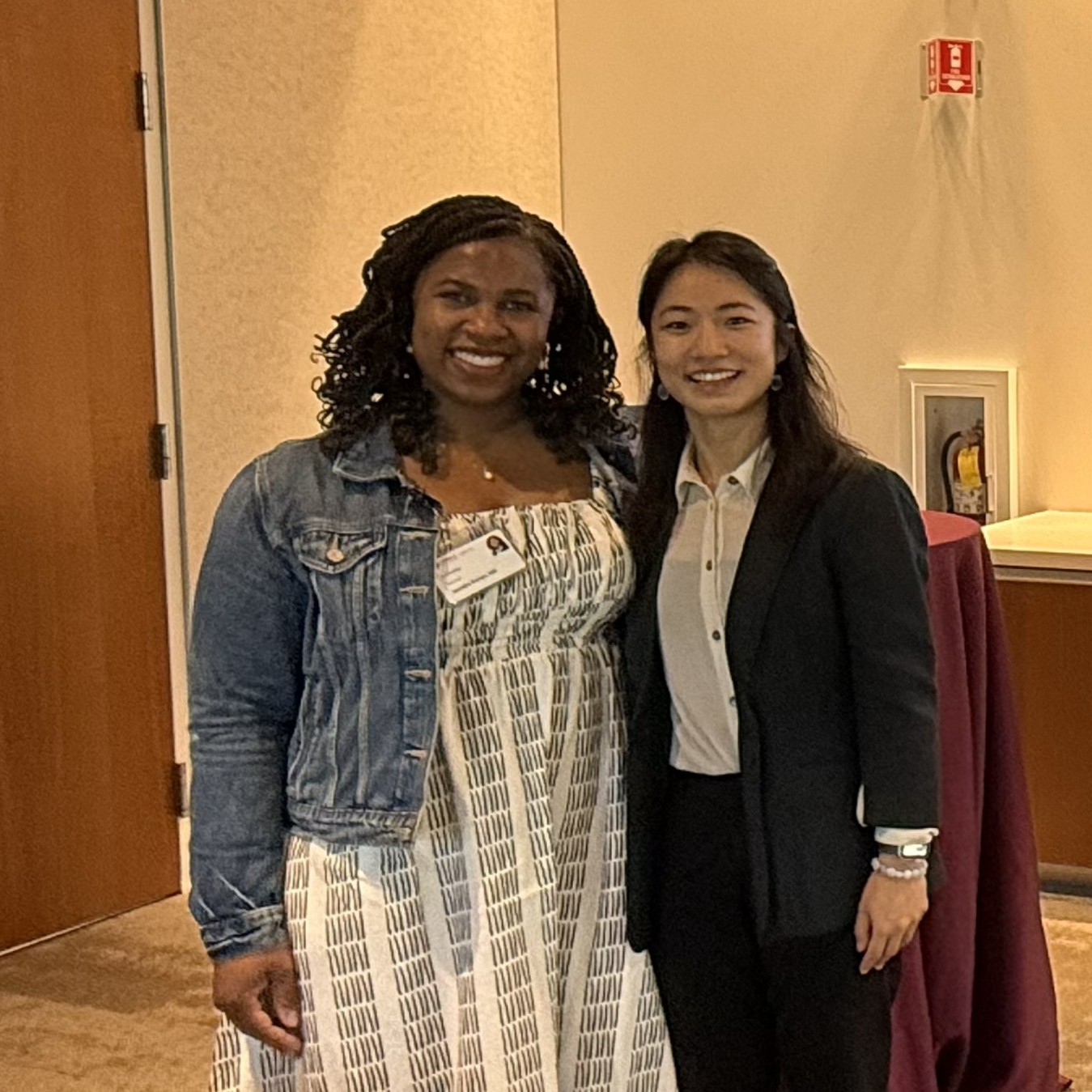
Mentee: Jordan Bui
Mentor: Leandra Barnes
Stanford University
I express my heartfelt appreciation to the Skin of Color Society for their support with an Observership Grant, and to Dr. Leandra Barnes at Stanford University for her unwavering mentorship. My time during this month was filled with many enriching experiences, academically and personally, and strengthened my commitment to advancing equitable and compassionate care in dermatology. I had the opportunity to attend the Skin of Color Program, an initiative spearheaded by Dr. Barnes, and the Hidradenitis Suppurativa (HS) Clinic. Through these experiences, I saw how Dr. Barnes provided each patient with individualized care to their needs, taking the time to understand the nuances of each patient’s presentation and the challenges they may have faced. With many HS patients having lived with painful symptoms for many years without a diagnosis, it was very impactful to see Dr. Barnes listen and validate their feelings, and reassure them that their diagnosis was not a cause of something they did. The relationship she created with patients with empathy and kindness is something I strive to emulate, taking her time with each patient. I also witnessed the importance of providing culturally sensitive care to patients, taking into account their customs and practices when creating a treatment plan. Dr. Barnes also had a wonderful procedure clinic where I got to learn about different surgical techniques she uses for deroofing procedures, especially in sensitive areas, and the extra consideration given to help patients feel more comfortable. Moreover, it was heartwarming to witness patients’ confidence increase after seeing their treatments work at follow-up visits of post-op visits for acne keloidalis nuchae or HS deroofing.
During my Observership, I also had the opportunity to work in other clinics such as Dermato-Oncology and High-Risk Skin Cancer. I learned how adverse cutaneous reactions from cancer therapies and different neoplasms may appear differently in patients with skin of color, and how to recognize the subtle nuances that can aid diagnosis. Each of the specialty clinics had a unique patient population, and I am grateful to have had the privilege to learn from these visits. In my final week of the Observership, Dr. Barnes coached me on how to give a Grand Rounds Presentation and create an engaging presentation. The compliments I received afterwards speak to the fantastic mentorship I had from Dr. Barnes. Lastly, Dr. Barnes and I designed a qualitative interview project for adolescent patients with HS to learn more about their lived experience and any barriers they may have faced in access to care. In having a better understanding of the challenges patients may face, we can better tailor our care and advocate for improved resources for our patients.
Overall, my observership was an incredible and inspiring experience to learn about the clinical, research, and collaborative aspects of dermatology. My time here has reinvigorated my passion for dermatology and research and the great potential for an academic career to advance the field. The warm and supportive environment at Stanford was apparent from the first day, and I am grateful to the entire department for taking the time to teach me throughout my observership. The mentorship I received has been invaluable, and I look forward to passing this forward in my future career and in the Skin of Color Society, championing the values of diversity, equity, and inclusion in dermatology.
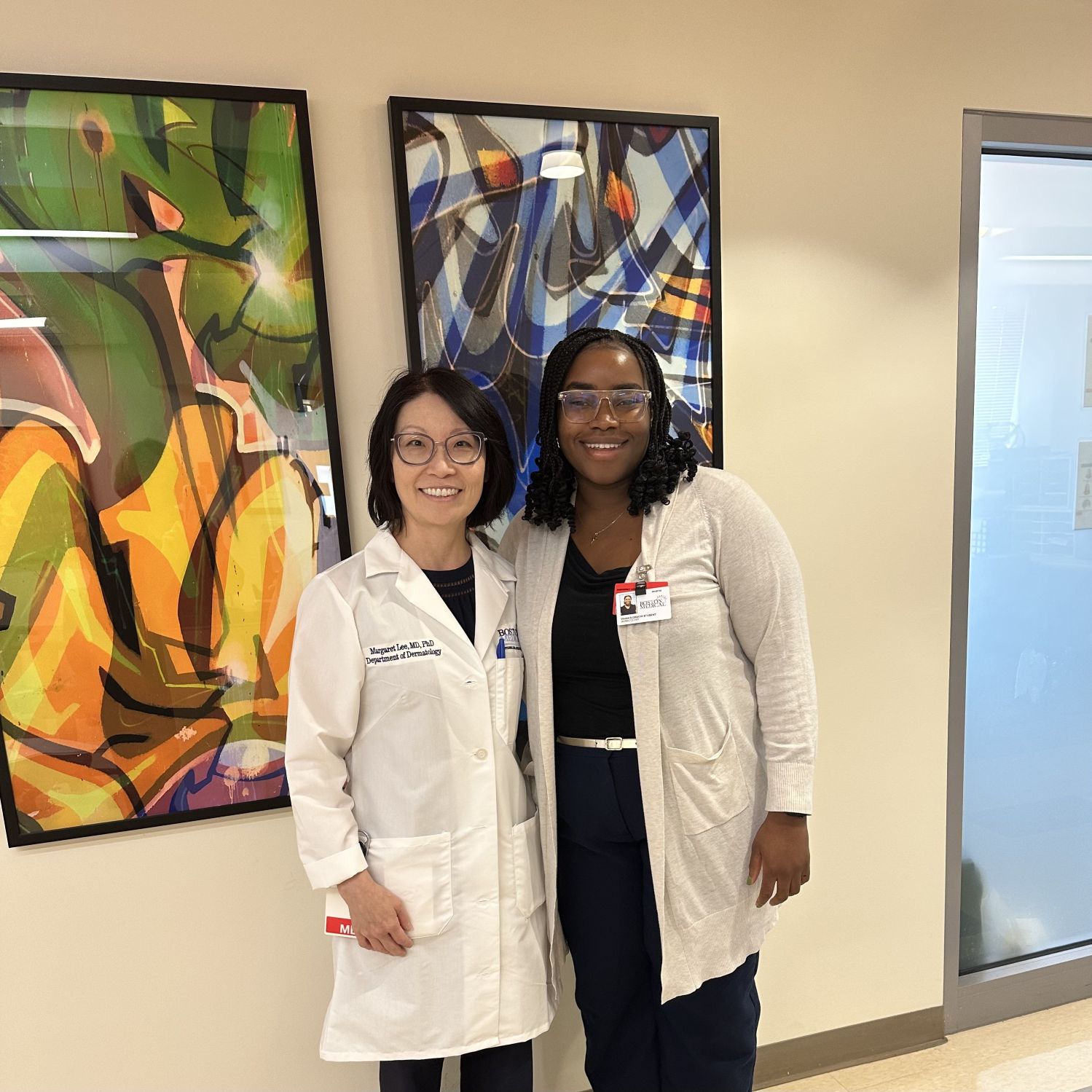
Mentee: Vivian Iloabuchi
Mentor: Margaret Lee
Department of Dermatology at Boston Medical Center
Experience at BMC through SOCS Observership Grant
My time rotating through the Department of Dermatology at Boston Medical Center (BMC) was an incredibly enriching experience. I had the privilege of working closely with my mentor, Dr. Margaret Lee, a pediatric dermatologist, while also completing this rotation as a fourth-year medical student on an away elective. Over the course of four weeks, I collaborated with several faculty members and residents, gaining exposure to diverse perspectives and clinical approaches.
BMC serves as the safety-net hospital for the Boston area, and the patient population is remarkably diverse. I learned that the Boston metro area has the largest foreign-born Black population share of any large U.S. metro, which deeply shaped the clinical experience. I quickly became comfortable using Haitian-Creole, Spanish, Cape Verdean Creole, and Portuguese interpreters during 15-minute clinic visits, enhancing my communication skills and cultural competency.
During my time at BMC, my mentor and I received IRB approval for our research project and began recruiting patients. Our ethnographic study focuses on understanding haircare practices adopted by caregivers of children with tightly coiled or afro-textured hair, aiming to identify knowledge gaps where pediatricians and dermatologists can better support families. I am excited to see what insights the field can gain from this project.
Clinically, I was challenged to grow beyond my comfort zone. Faculty had high expectations, which pushed me to work harder and rise to the occasion. I was entrusted with taking the lead on procedures with adequate guidance. One day I was drawing up Kenalog and injecting keloid lesions and another day I was injecting Botox into the axillae for hyperhidrosis. These opportunities built both my technical skills and my confidence.
Equally meaningful was the culture of teaching at BMC. From engaging grand rounds and didactic sessions every Wednesday to impromptu Kodachrome reviews between clinics, faculty were deeply invested in trainee education. As a medical student, I was never sidelined; instead, I was encouraged to describe lesions, propose differentials, and actively participate in discussions. My clinical reasoning and diagnostic skills grew immensely in just a few short weeks.
I am deeply grateful to the Skin of Color Society for making this experience possible through their grant. Without this support, I would not have been able to afford my time in Boston. I am also thankful to my mentor for challenging me to grow in a supportive environment and to the residents, faculty, nurses, and medical assistants who welcomed me kindly and offered guidance. This observership has profoundly shaped my career trajectory and is an experience I will carry forward with me always.
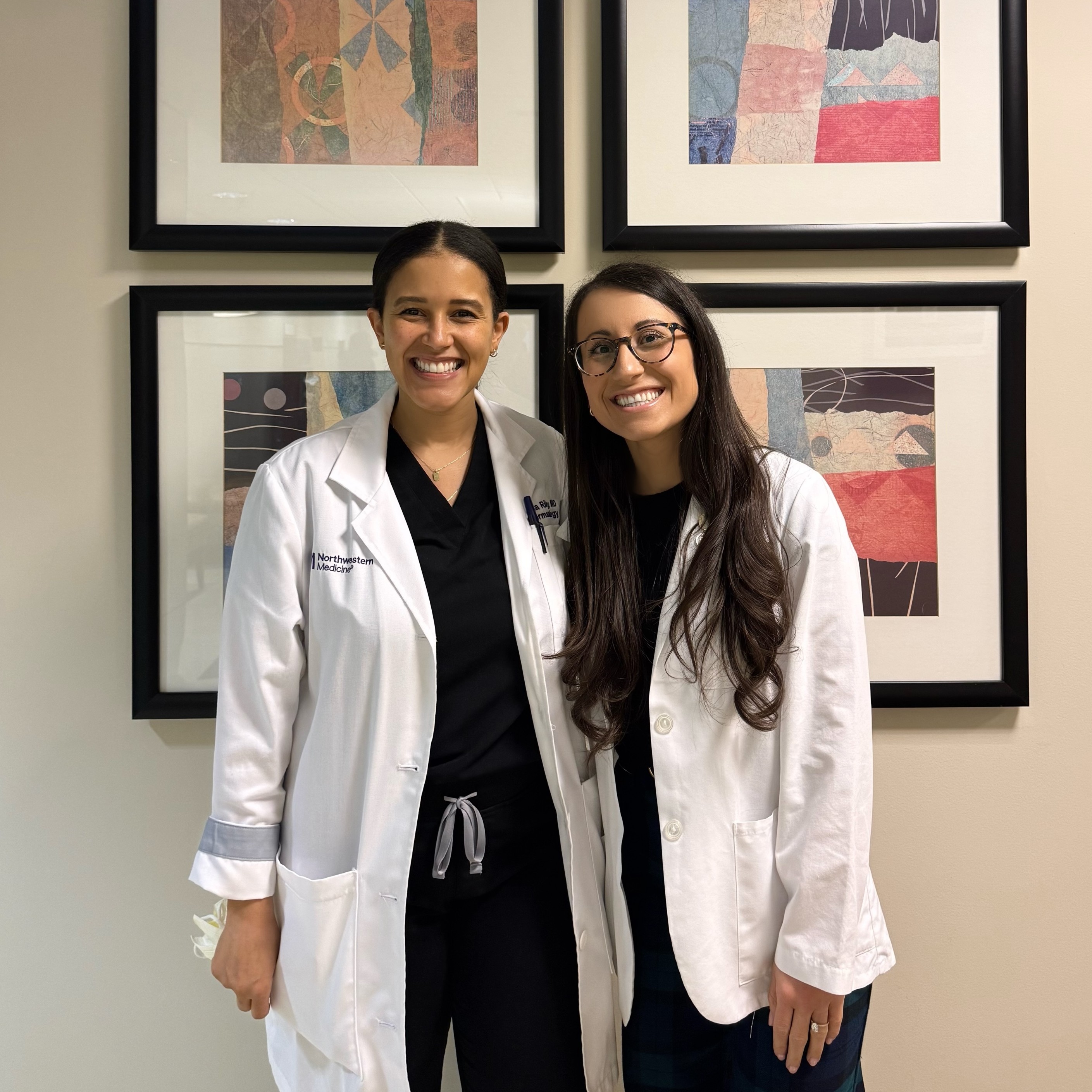
Mentee: Nikki Zangenah
Mentor: Dr. Julia Riley
Northwestern University
My Skin of Color Society Observership experience was nothing short of incredible. I had the opportunity to spend a month rotating with Dr. Julia Riley and the amazing team at Northwestern. Before starting my observership, Dr. Riley took time to learn about my goals and passions within dermatology and thoughtfully created a schedule centered around my interests. Given our shared interest in hidradenitis suppurativa, Dr. Riley made sure I had as much time as possible in HS clinic, and I observed a deroofing procedure for the first time (definitely a highlight of the month!).
Through rotating in Northwestern’s Center for Ethnic Skin, I had the honor of learning from experts in the field and seeing Chicago’s diverse patient population. I also gained a breadth of exposure in general dermatology and subspecialty clinics, including rheumatologic dermatology and vulvar dermatology. When Dr. Riley learned of my interest in inpatient dermatology, she went out of her way to arrange for me to join the consult team – another highlight of my experience. Attending daily didactics and departmental events like Grand Rounds and Journal Club allowed me to connect with residents and appreciate the warm, collaborative culture at Northwestern. It also strengthened my understanding of dermatologic conditions and introduced me to diagnoses I was unfamiliar with. My clinical skills and fund of knowledge within dermatology continued to grow over the course of the month, and I cannot express how grateful I am to the entire department for all of the teaching and clinical pearls.
Throughout my observership and beyond, Dr. Riley has been the most incredible mentor and role model, and I am inspired by her as a physician, researcher, and educator. Just as she made me feel comfortable and a part of the team from day one, I saw how her warmth extended to patients, making them feel heard and supported at every opportunity. It was incredibly impactful to witness Dr. Riley’s thoughtful approach to patient care and learn from her expertise in skin of color dermatology and hidradenitis suppurativa. Dr. Riley also provided invaluable insights and early career advice that helped me visualize the kind of career I hope to have in academic dermatology, integrating my passion for rheumatologic dermatology, health equity, and medical education.
I extend my deepest gratitude to the Skin of Color Society for this incredible opportunity; Dr. Riley for hosting my observership and continuing to be the most genuine, caring, phenomenal mentor; and all of the faculty, residents, and staff at Northwestern for making me feel welcomed and supported the entire month. My SOCS Observership was without a doubt one of the greatest experiences of my medical school journey, and I will forever be immensely thankful. I feel so fortunate to have learned from Dr. Riley, and even more so to have her in my corner as a lifelong mentor. I only hope that I can one day pay forward to others the incredible mentorship I have received from Dr. Riley.
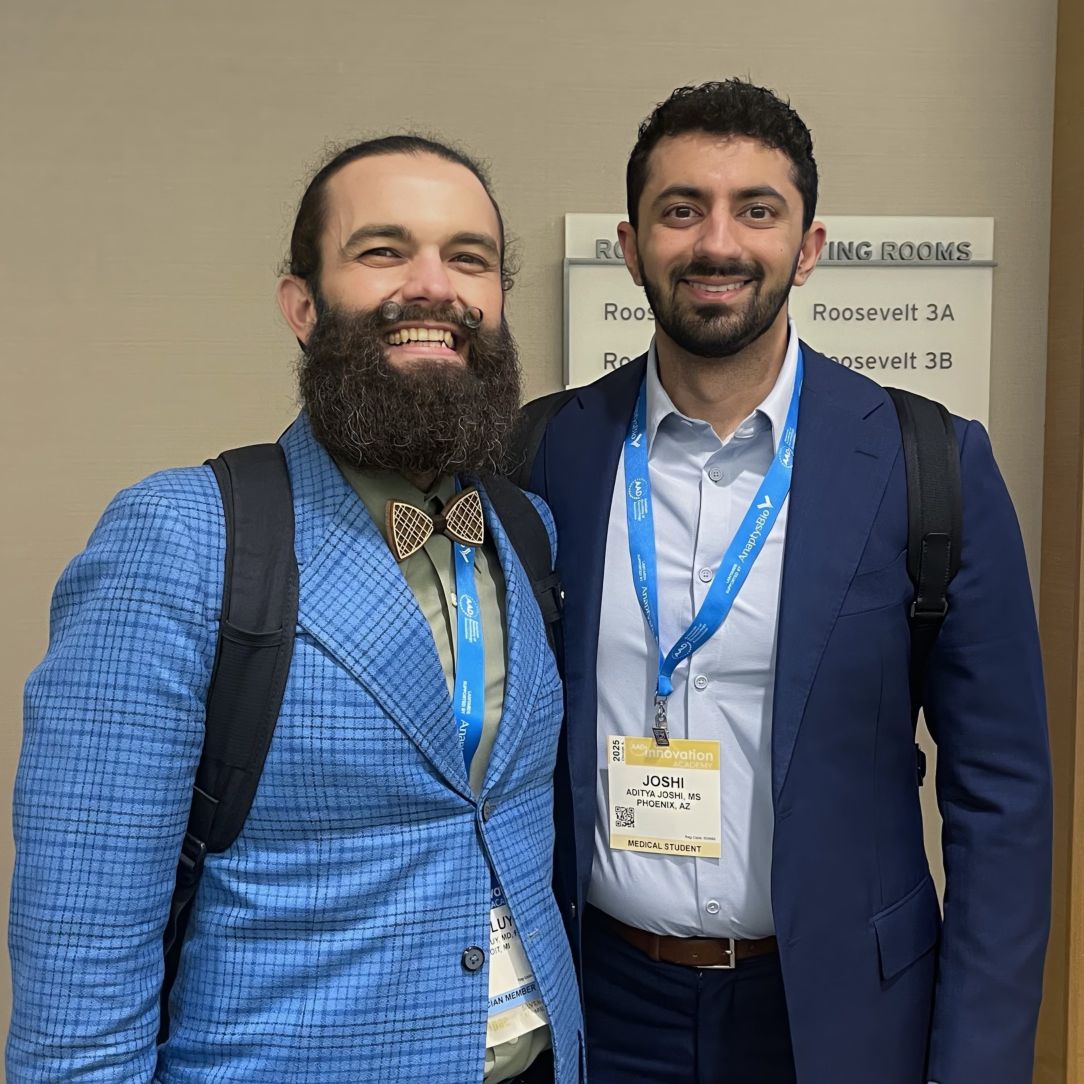
Mentee: Aditya Joshi
Mentor: Dr. Steven Daveluy
Wayne State University
I completed my Skin of Color Society observership under the mentorship of Dr. Steven Daveluy at Wayne State University in Detroit. For a month, I was in high-volume dermatology clinics caring for a predominantly Black, Middle Eastern, and South Asian patient population. Many of the patients we saw were immigrants or refugees, and over time, I saw how language, cultural background, and religious practices shaped how comfortable they felt in the room, how they understood their diagnosis, and which treatments were actually realistic for them. Watching how naturally Dr. Daveluy made room for these conversations and showed patients that their stories and priorities matter just as much as their diagnosis was something I appreciate every day as I continue my journey in medicine.
From the very beginning, I felt like a part of the team at Wayne State rather than just a visiting student observer. Clinically, I was exposed to a wide range of conditions that are especially common or uniquely challenging in patients with skin of color, including hidradenitis suppurativa, pigmentary disorders, and scarring alopecias. I met patients who had lived with years of pain, drainage, and stigma before even seeing a dermatologist. Under Dr. Daveluy's guidance, I learned to appreciate subtle nuances in darker skin tones, to ask directly about pain and how it affected work and family life, and to appreciate how deeply these disorders can affect a patient’s sense of identity and confidence long after flares have calmed down.
One of the highlights of my observership was helping with procedures such as deroofing and CO2 laser excisions for HS. Seeing CO2 laser excision in this setting was especially memorable. It’s a technically demanding yet still relatively underutilized approach that can provide durable control of sinus tracts while preserving surrounding tissues and significantly shortening healing time for patients. Being in the room for those cases gave me a glimpse into how innovative care can truly change the trajectory of advanced HS patients, and it makes me truly excited about what is possible with the future of dermatology.
My mentorship with Dr. Daveluy also extended into ongoing research and mentorship. Together, we co-authored a review of special considerations in hidradenitis suppurativa in skin of color, highlighting data on epidemiology, phenotype, diagnostic delays, pain, quality-of-life burden, and treatment inequities. We also collaborated on additional projects, which helped me connect what I was seeing in clinic to the broader literature on disparities in inflammatory skin disease. Having a mentor who asked what I thought, talked through ideas with me and pushed me to keep growing has been incredibly meaningful.
I’m deeply grateful to the Skin of Color Society for making this experience possible, and to Dr. Daveluy for his generous mentorship and the example he sets as a clinician, researcher, and advocate for his patients. My month in Detroit strengthened my clinical skills, deepened my commitment to caring for underserved communities, and affirmed my goal of pursuing an academic dermatology career centered on health equity and patients with skin of color.
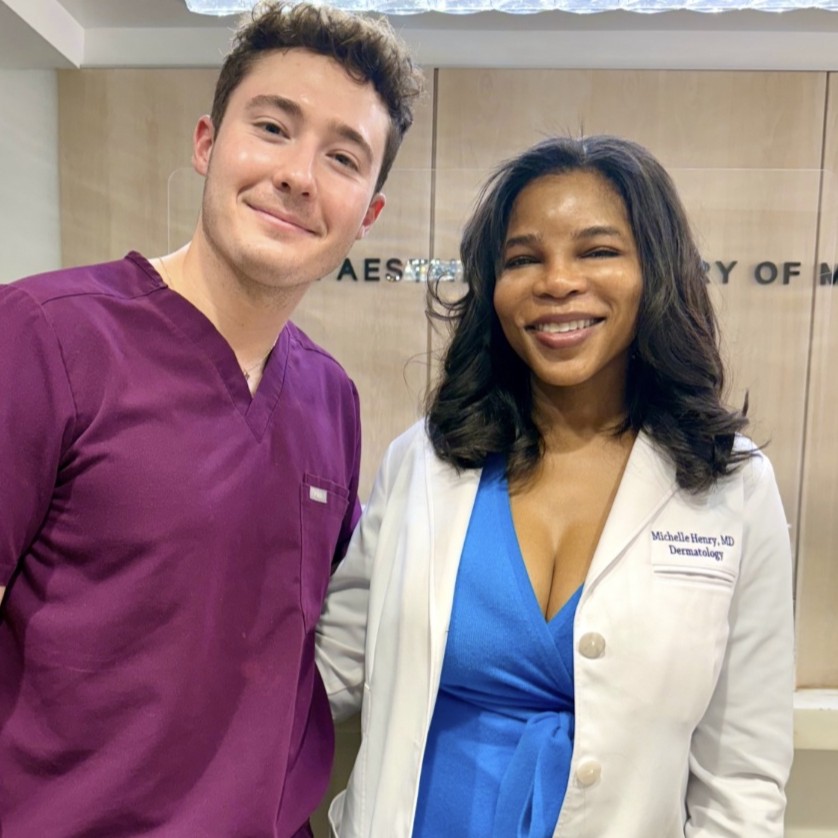
Mentee: Mitchell Hanson
Mentor: Dr. Michelle Henry
Medical College of Georgia
Dear Skin of Color Society,
I want to formally thank you for the financial and career opportunity afforded by the Skin of Color Society Observership Program. As a student applying to dermatology this fall, this grant afforded me professional connections and reflections about my journey into dermatology, both vital for the application cycle. Furthermore, this grant allowed me to gain a unique immersive clinical and media experience with Dr. Michelle Henry in her practice at Skin & Aesthetic Surgery of Manhattan. In my time with Dr. Henry, we were engaged in clinical dermatology, cosmetic procedures, advisory board leadership, and media responsibilities for patients of diverse backgrounds.
While in her clinical workspace, I was able to witness a range of procedures and conditions across darker skin tones. Some of the most valuable procedures to witness included non-invasive surgical procedures like filler and botulism toxin in which I was able to learn more about aesthetic considerations like canthal tilt and individualizing recommendations based on feminine/masculine beauty standards. Most importantly, Dr. Henry was valuable in discussing clinical considerations for each recommended treatment based on a patient’s skin tone. For example, selecting a Nd:YAG laser that bypasses melanin compared to a CO2 resurfacing laser.
In addition, witnessing a routine week for Dr. Henry was valuable for my own career interests. By relying on other people to help organize her week and compartmentalize between roles, it was valuable to see her transition into different roles to be able to contribute her undivided attention. Seeing her leadership strategies in advisory boards like the Melanoma Research Foundation was helpful for building on my current leadership experience and material learned through the concomitant AMA Leadership Institute program.
Lastly, as one of my main interests in this observership, the media training facilitated through this program is unmatched to any other experiences I have been afforded. Witnessing Dr. Henry planning her dialogue for on-the-air specials with the Today Show and company affiliations was extremely helpful for me in how she decides her word-choice for the populations she’s catering to. Furthermore, observing how her speech cadence, power in silence, and emphasis placed on certain words carried her message to listeners in a personal way has made me aware of this tool in my own public speaking toolkit. Ultimately, this was such an incredible experience I would not have been afforded without the Skin of Color Society and L’Oreal.